Admission Enquiry 
Admission Enquiry

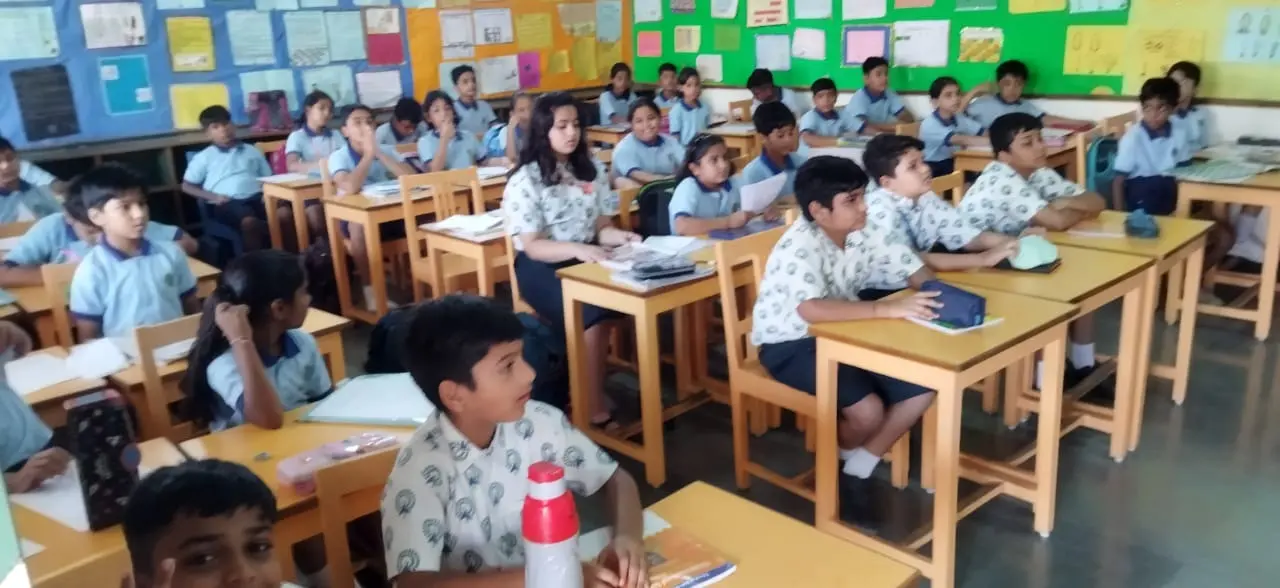
Preparing for board exams can feel overwhelming for students and parents alike. Class 10 is a crucial academic milestone that builds the foundation for future career choices and academic streams. With the right approach, discipline, and planning, scoring above 80% is absolutely achievable for any student. Institutions that focus on Modern Education at Mayoor School, Jaipur, and similar progressive learning environments emphasize structured preparation, conceptual clarity, and smart revision techniques, all of which play a key role in board success.
This comprehensive guide shares practical CBSE Class 10 exam preparation tips, realistic strategies, and the best study tips for Class 10 students that can help you perform confidently and achieve your target score.
Class 10 exams are not just about marks; they test your understanding, consistency, and ability to apply concepts. They also:
Understanding their importance motivates students to follow a structured CBSE board exam strategy instead of last-minute cramming.
Before starting preparation, review:
Knowing the pattern helps you prioritize high-scoring sections and tailor your CBSE Class 10 board exam preparation tips accordingly.
A timetable should be:
Ideal structure
Avoid unrealistic plans; consistency matters more than intensity.
CBSE papers are largely based on NCERT textbooks. Master:
Most toppers agree that NCERT mastery alone can help students score 75–85%.
Passive reading doesn’t work. Instead:
These techniques improve retention and conceptual clarity.
Many students lose marks because they cannot finish the paper. Improve writing speed by:
This is one of the most effective Tips for class 10 board exam students that they often overlook.
Revision doesn’t mean reading everything again. Smart revision includes:
Solving past papers helps you:
Try solving at least 10 years’ papers for major subjects.
Many students focus only on their favorite subjects. Instead:
Improving weak subjects can significantly boost the overall percentage.
Create concise notes for:
These will be extremely helpful during last week's revision.
A healthy body supports a sharp mind.
Essential habits
Students who stay physically active retain information better.
English
Strong language skills improve the overall score. Techniques include:
Parents looking for early foundations can explore How to Improve the Reading Skills of a Child, which builds language strength from a young age.
Avoiding mistakes is just as important as studying.
Top errors
Correcting these habits is part of the best CBSE Class 10 exam preparation tips recommended by educators.
Your performance during the exam matters as much as preparation.
During exam
Presentation can improve marks even if the answers are average.
Parents play a crucial role in academic success. They can:
Early learning foundations also help long-term academic performance. Programs like Early Preschool Programs focus on cognitive skills, concentration, and learning habits that later support board exam success.
Scoring 80% isn’t just about one exam. It reflects consistent discipline developed over the years. Schools that highlight the Benefits of CBSE Education often focus on:
These factors make CBSE students academically strong and competitive globally.
Staying motivated throughout preparation is essential.
Try these
Confidence grows when effort becomes consistent.
Monday–Friday
Saturday
Sunday
This balanced routine is considered one of the most practical Best study tips for Class 10 students preparing for boards.
Last month was crucial.
Focus on
Do not try to learn entirely new chapters during the final week.
Toppers don’t study more hours; they study more effectively.
They focus on:
This simple but powerful formula forms the core of every successful CBSE board exam strategy.
Scoring 80% in Class 10 CBSE boards is not about being a topper, it’s about having the right plan, mindset, and study approach. When students combine smart preparation with consistent practice and proper guidance, strong results naturally follow. Schools known as a Top CBSE school in Jaipur and other reputed institutions emphasize disciplined learning habits, conceptual understanding, and structured revision techniques, the same principles that any student can adopt at home to succeed.
Remember: steady preparation always beats last-minute stress. Start early, stay consistent, and believe in your ability.
Ideally, 5–6 focused hours with breaks are enough. Quality matters more than quantity.
Yes, NCERT is the primary source. Supplement it with sample papers and previous year questions.
Preparation should start from the beginning of the academic session, not just before exams.
Practice timed tests daily and write full-length answers regularly.
Start with the most difficult subject when your concentration is highest.
At least 10–15 full-length sample papers before exams.
Use short notes, formula sheets, mind maps, and previous question papers for quick revision.

Copyright ©2026 held by Global Institute of Technology Society and Mayoor School Jaipur | This template is made with by Shopivana
